Packaging often gets blamed for waste — but the right choice is one of the most effective tools an Isle of Man kitchen has for reducing it. Here's what the research actually shows, and how to apply it to your own menu.
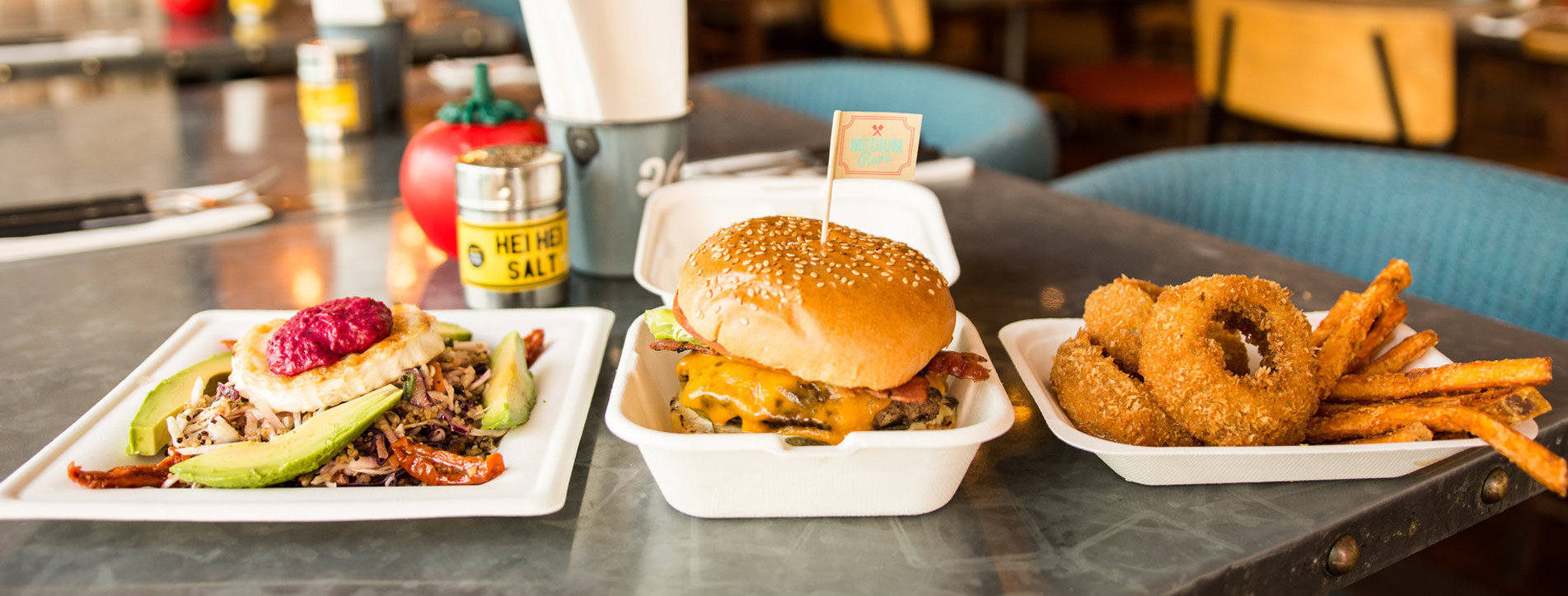
Packaging tends to sit at the centre of the sustainability conversation, usually as the villain. But its core job is protection — keeping food fresh, intact, and edible for longer. Get that job right, and packaging becomes one of the more effective tools a kitchen has for cutting waste, not adding to it.
A bigger problem than it looks
The UN tracked food waste worldwide through 2021 and found roughly a third of all food produced — 931 million tonnes — was wasted by households, retailers, and food businesses. The UK alone accounts for an estimated 9.5 million tonnes a year.
The usual causes are familiar to anyone running a kitchen:
- Buying more stock than gets used
- Oversized portions that go uneaten
- Oversupply across hospitality and retail
- Food not moving before its use-by date
Around 70% of UK food waste happens in the home, but that leaves a meaningful share sitting squarely in foodservice and retail's control — and packaging plays a bigger part in that than most operators assume.
WRAP research suggests just one extra day of shelf life could save an estimated 250,000 tonnes of food waste across the UK each year — the effect of packaging that actually does its job.
Portion size is a packaging decision
Oversized packs can look like better value, but they're a direct route to waste when the contents don't get finished. The fix is having a genuine range of pack sizes on hand, so portions can match what's actually needed rather than defaulting to one-size-fits-all.
Right-size your packaging range
Bagasse, compostable and kraft options in a full spread of sizes — built for kitchens that want less waste without extra cost.
Shelf life is where packaging earns its keep
The clearest way packaging reduces waste is by extending shelf life — fewer deliveries, more efficient prep, and less spoilage sitting unsold. That matters even more in the food-to-go category, which now spans breakfast through to evening meals across convenience stores, forecourts and supermarkets. More variety on the shelf means more risk of something going to waste before it sells, and packaging that protects freshness properly becomes the difference.
Choosing the right packaging for a fast-moving market is essential to supply chain efficiency and cutting environmental impact.
— Colpac, UK food packaging manufacturer
What this means for Isle of Man kitchens
Every principle here applies directly to hospitality and takeaway businesses on the Island. Whether you're running a busy takeaway counter, a hotel kitchen, or a café with a growing food-to-go offer, the fix is rarely "use less packaging" — it's using the right packaging, sized correctly, for what you're actually serving.
That's exactly where Gellings' Eco & Sustainable Packaging and Food Packaging & Disposables ranges come in — stocked locally, delivered island-wide, so you're not stuck waiting on a mainland courier to try a smaller pack size.
Not sure which pack size fits your menu?
We can help you match container sizes to your actual portions — call the team or open a trade account to get started.
Background research and industry commentary in this article draws on WRAP's Food Waste Action Week findings and reporting from UK packaging manufacturer Colpac.